Black Holes & Their Host Galaxies
I measure the masses of central black holes dynamically, from the motions of stars and cold gas deep inside galactic nuclei, and I span the full mass range from intermediate-mass black holes in dwarf galaxies and star clusters to the ultramassive black holes of giant ellipticals. Measured this way, nearby galaxies become fossil records of how black holes were seeded and how they grew with their hosts.
Four Connected Themes
Each theme has its own page with the scientific background, my current work, and a review of the literature. Select a theme to read more.
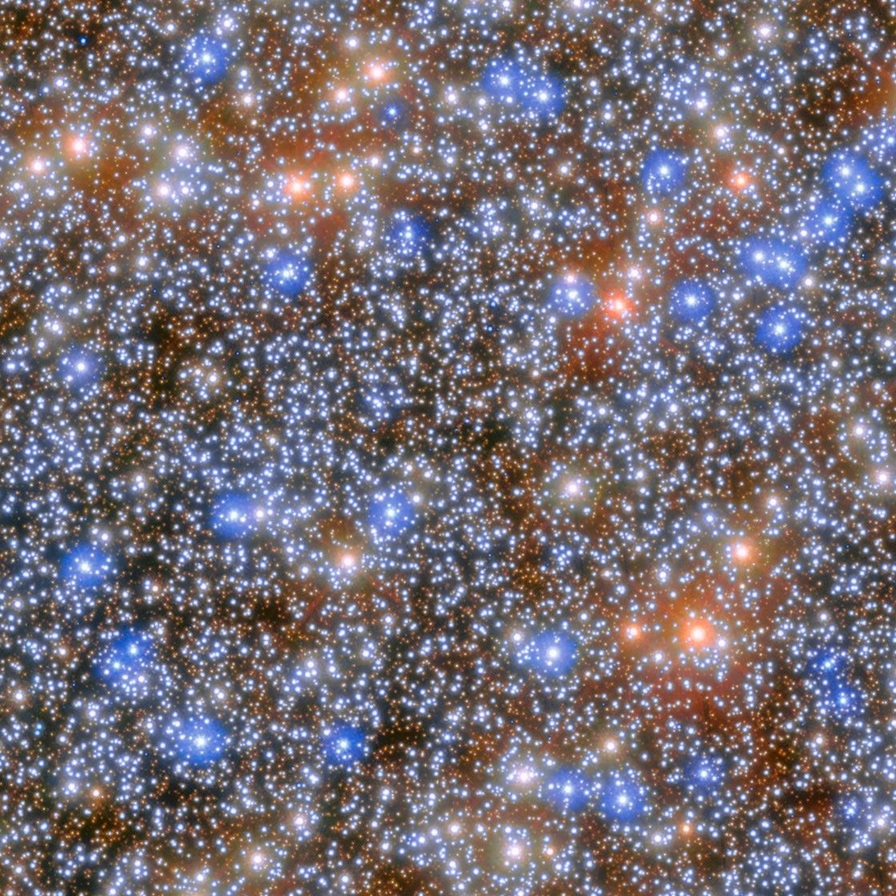
Black Hole Formation and Growth
Where do the seeds of today's massive black holes come from, and how do they grow into the giants we observe? I use precise dynamical masses of nearby black holes as fossil records of their formation and growth history.
Current focusFilling the low-mass end of the local mass function, where light, heavy and intermediate seeding channels differ most, with real measurements instead of upper limits.
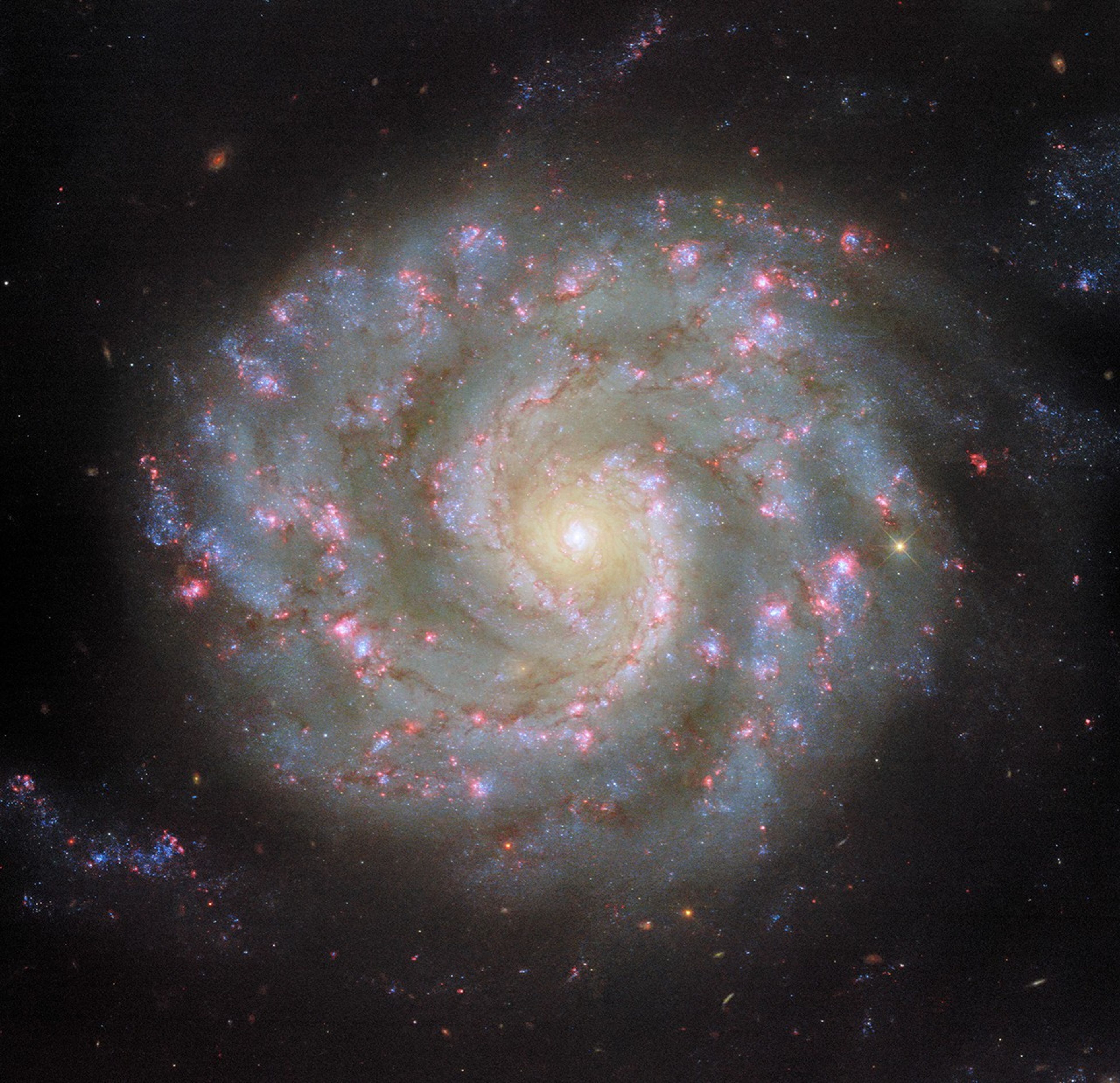
Massive Black Holes Across the Mass Spectrum
I measure black hole masses continuously from the intermediate-mass regime in dwarf galaxies and star clusters up to the supermassive black holes of giant ellipticals, with one consistent dynamical approach.
Current focusJWST/NIRSpec AGN–stellar decomposition for NGC 4258 and M87, ALMA gas dynamics for NGC 7052, NGC 4061, NGC 2513 and Circinus, and ELT/HARMONI forecasts for IMBHs within about 20 Mpc.
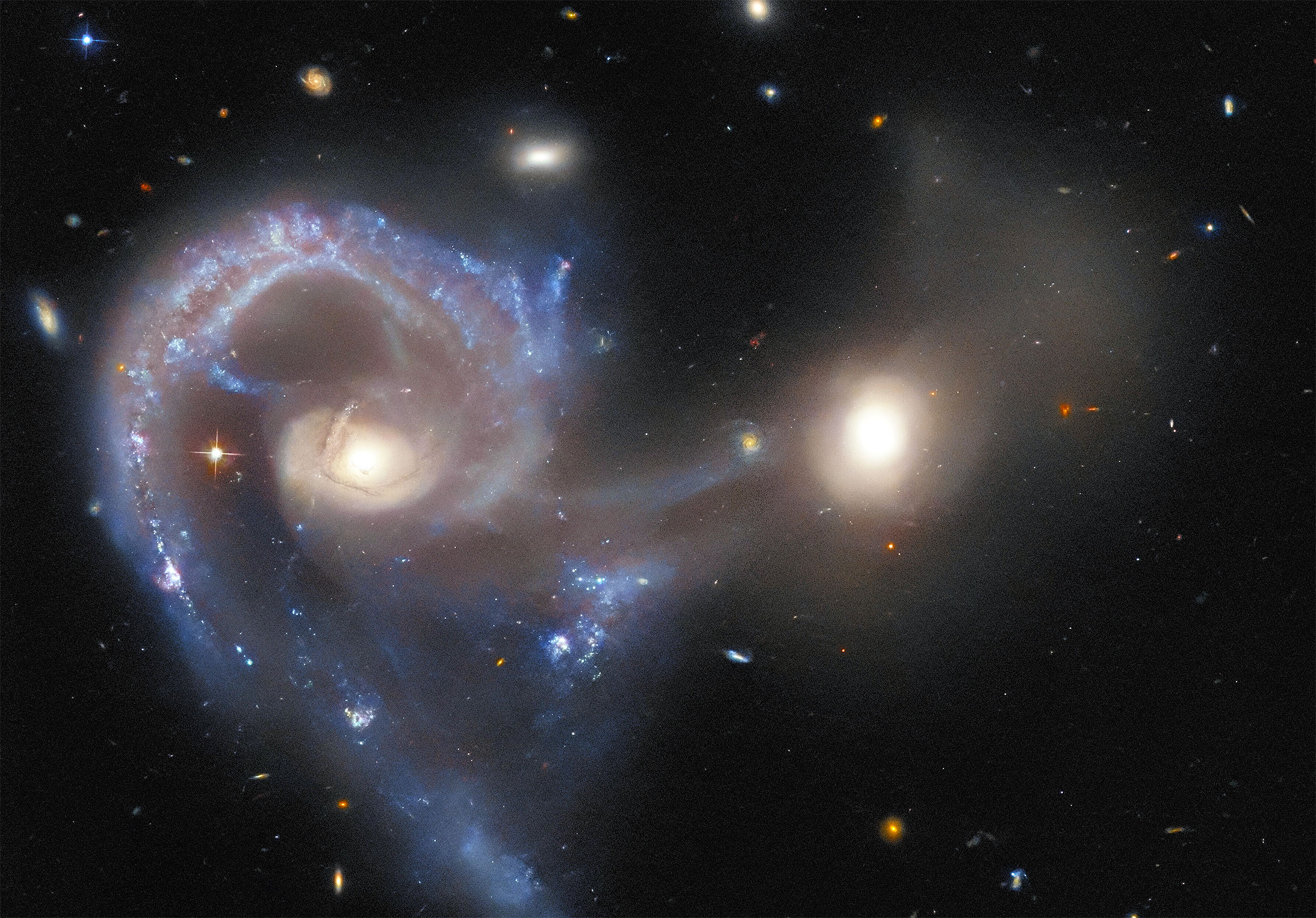
Black Hole and Galaxy Coevolution
Black holes and their host galaxies appear to grow together. I test how tightly that coupling holds across galaxy type, mass and environment, using dynamical masses paired with detailed measurements of the hosts.
Current focusPairing every dynamical mass with a full host description (MGE photometry, IFS kinematics and stellar populations, ALMA gas) across ellipticals, spirals and dwarfs.
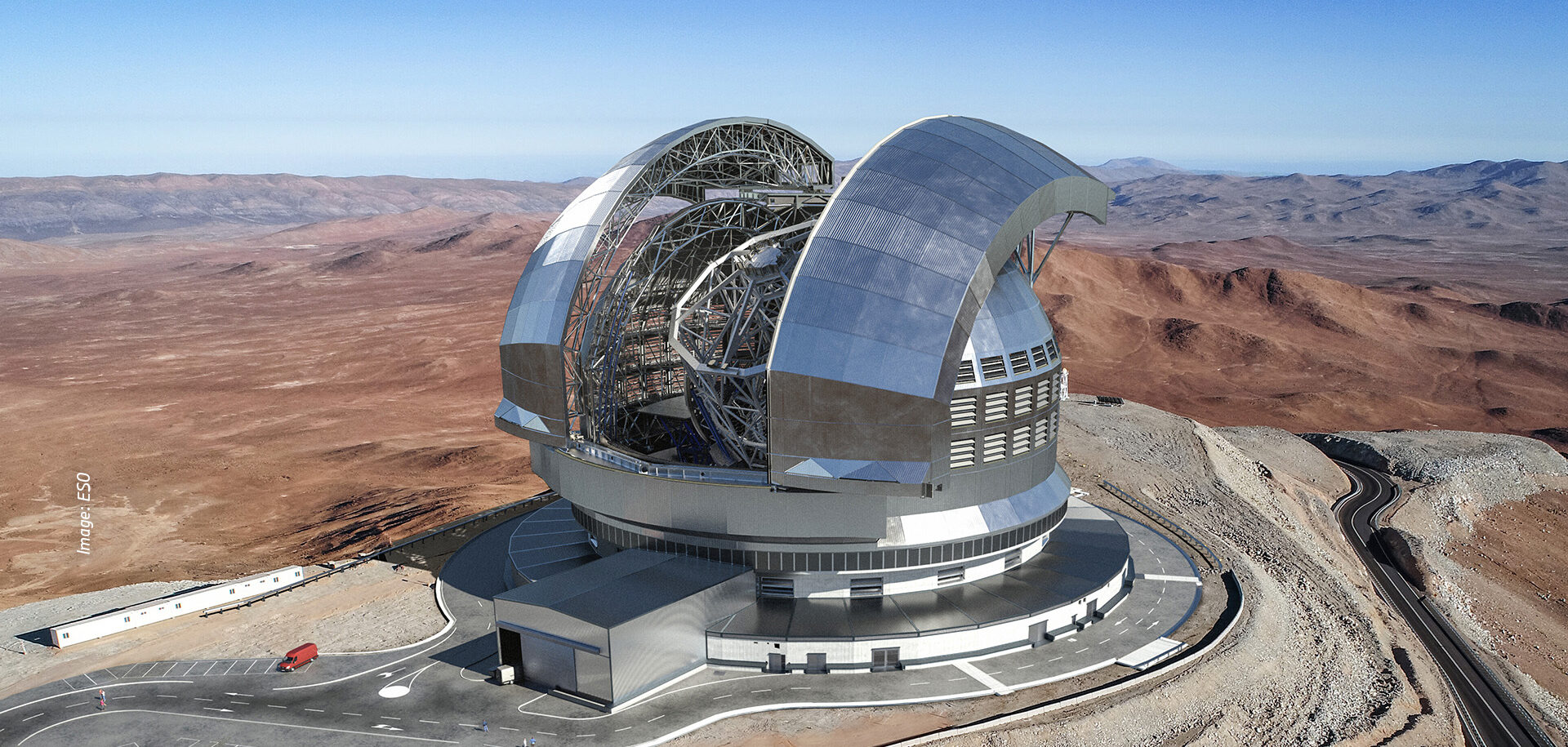
Computational Astrophysics, Simulations, and Modelling
The Extremely Large Telescope will be the largest optical telescope ever built. Before it starts observing, I create realistic virtual observations to find out which black holes it will be able to weigh.
Current focusSimulated HARMONI and MICADO observations of small black holes in nearby dwarf galaxies (out to the Virgo and Fornax clusters) and of giant black holes in galaxies at redshift 1–2.
One Measurement Chain, Many Tracers
All four themes rest on the same measurement chain. I start from spatially resolved observations of a galactic nucleus, extract the motions of stars or cold gas, and fit dynamical models in which the black hole mass is one free parameter alongside the stellar mass-to-light ratio and the disk inclination.
Using several tracers on the same galaxies (stellar kinematics from JWST/NIRSpec and ground-based IFS, cold molecular and atomic gas from ALMA) lets me cross-calibrate methods and expose systematic differences that single-method samples cannot reveal.
What Drives the Programme
Four unresolved problems in black hole demographics that my measurements are designed to address.
Facilities & Observing Time
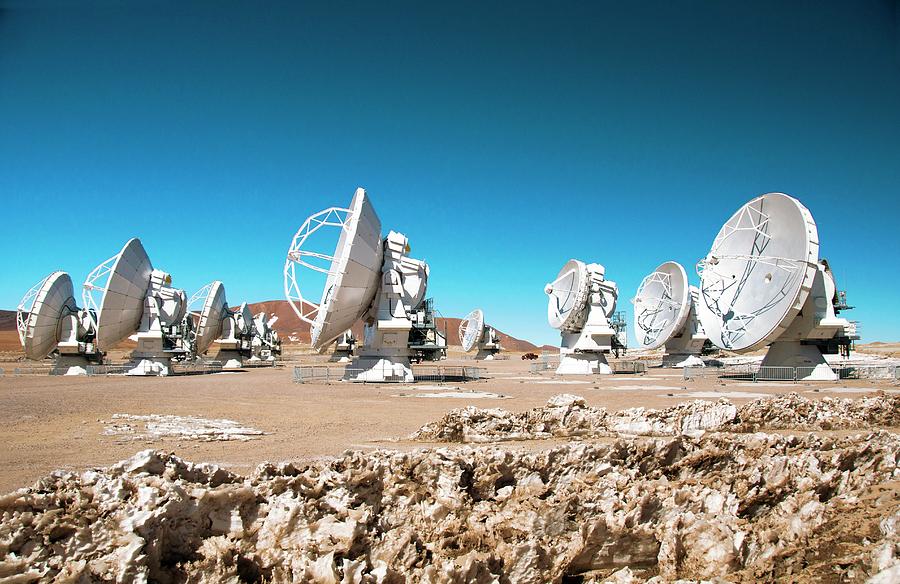
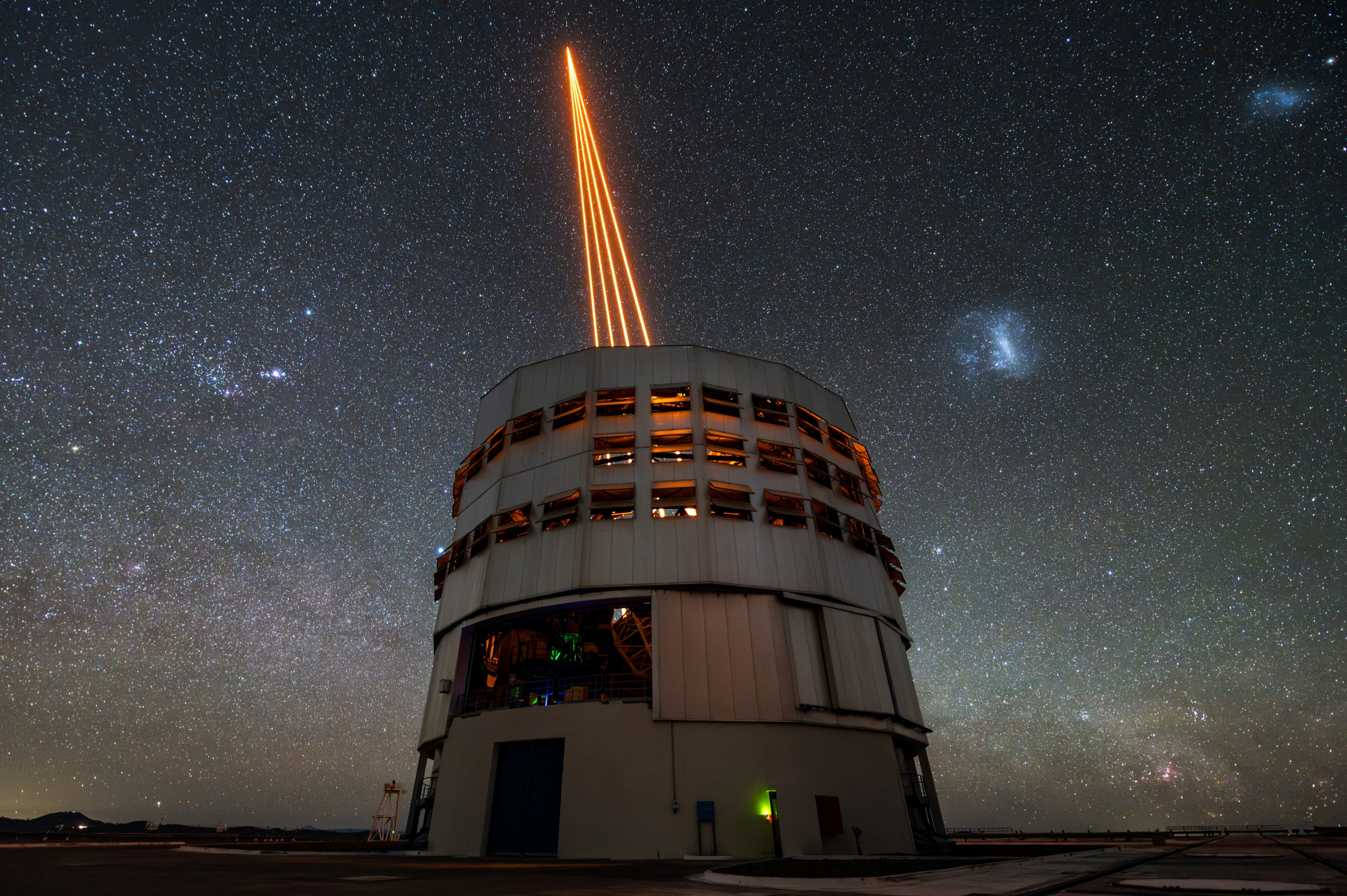
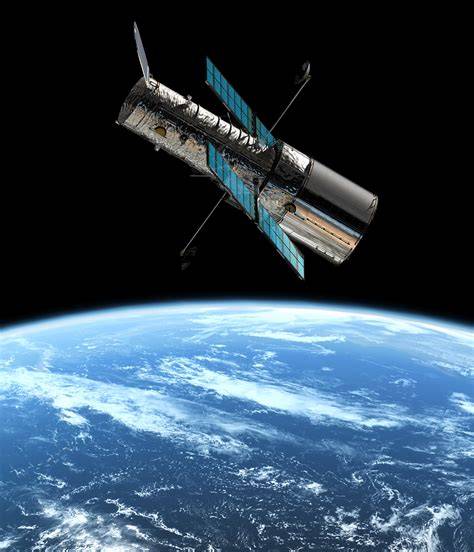
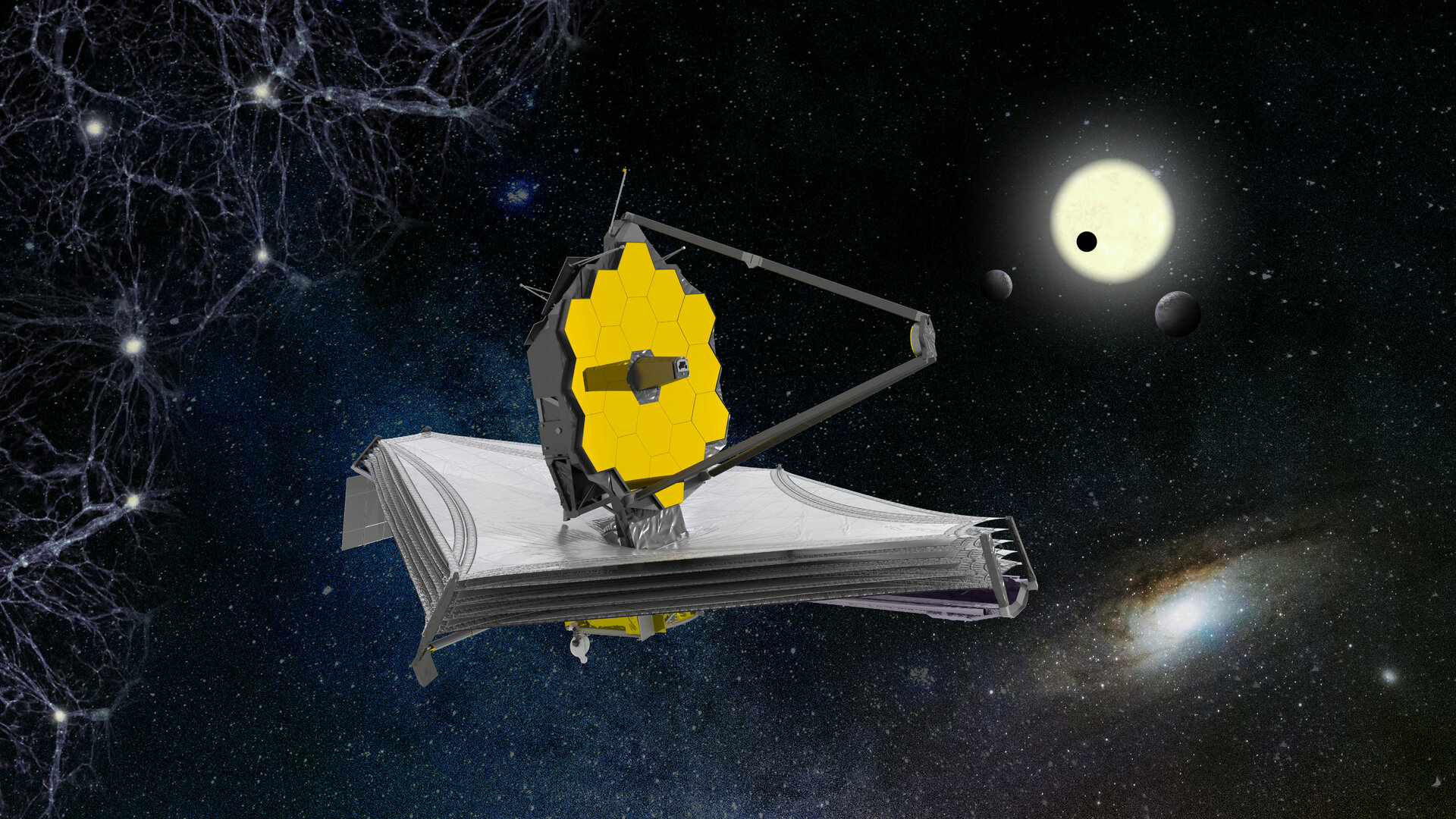
Ground- and space-based facilities from millimetre to optical wavelengths provide the coverage needed to model both the stellar and the gaseous tracers of black hole mass.
Accepted Observing Proposals
Competitively awarded programmes that support the black hole mass measurement campaign.